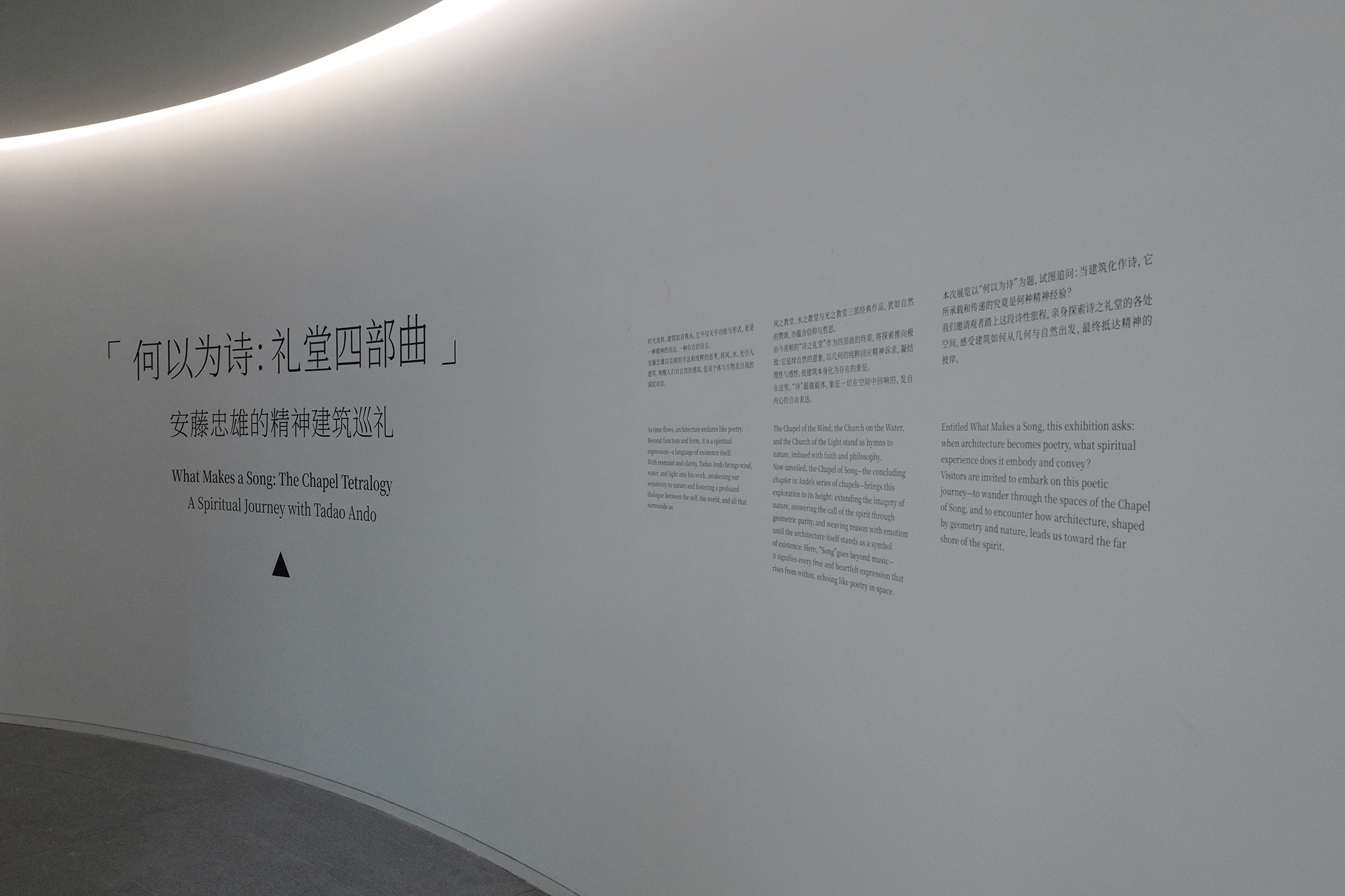
何以为诗_礼堂四部曲
时光流转,建筑如诗隽永。它不仅关乎功能与形式,更是一种精神的表达、一种存在的语言。
安藤忠雄以克制的手法和纯粹的思考,将风、水、光引入建筑,唤醒人们对自然的感知,促成个体与万物及自我的深层对话。
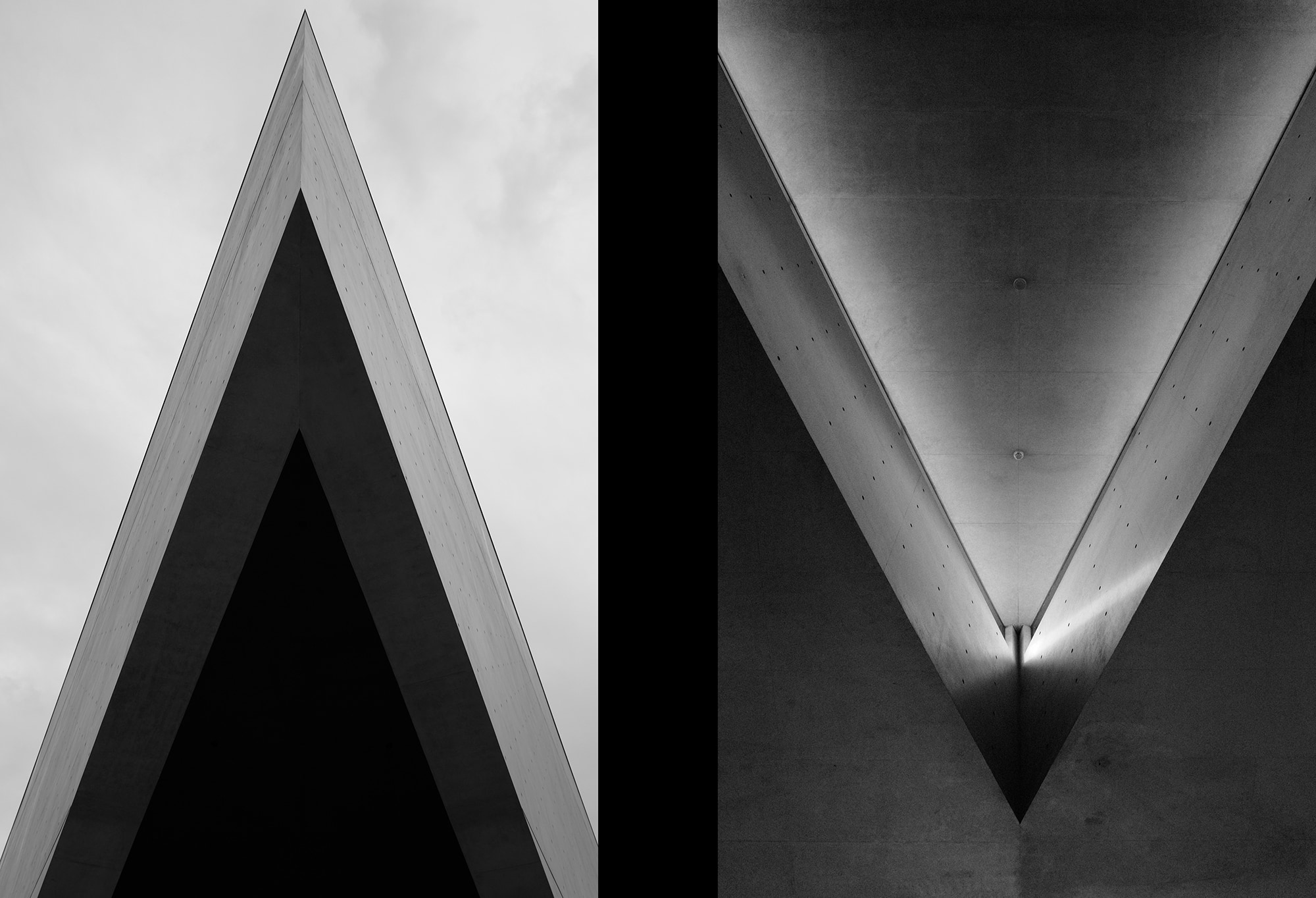
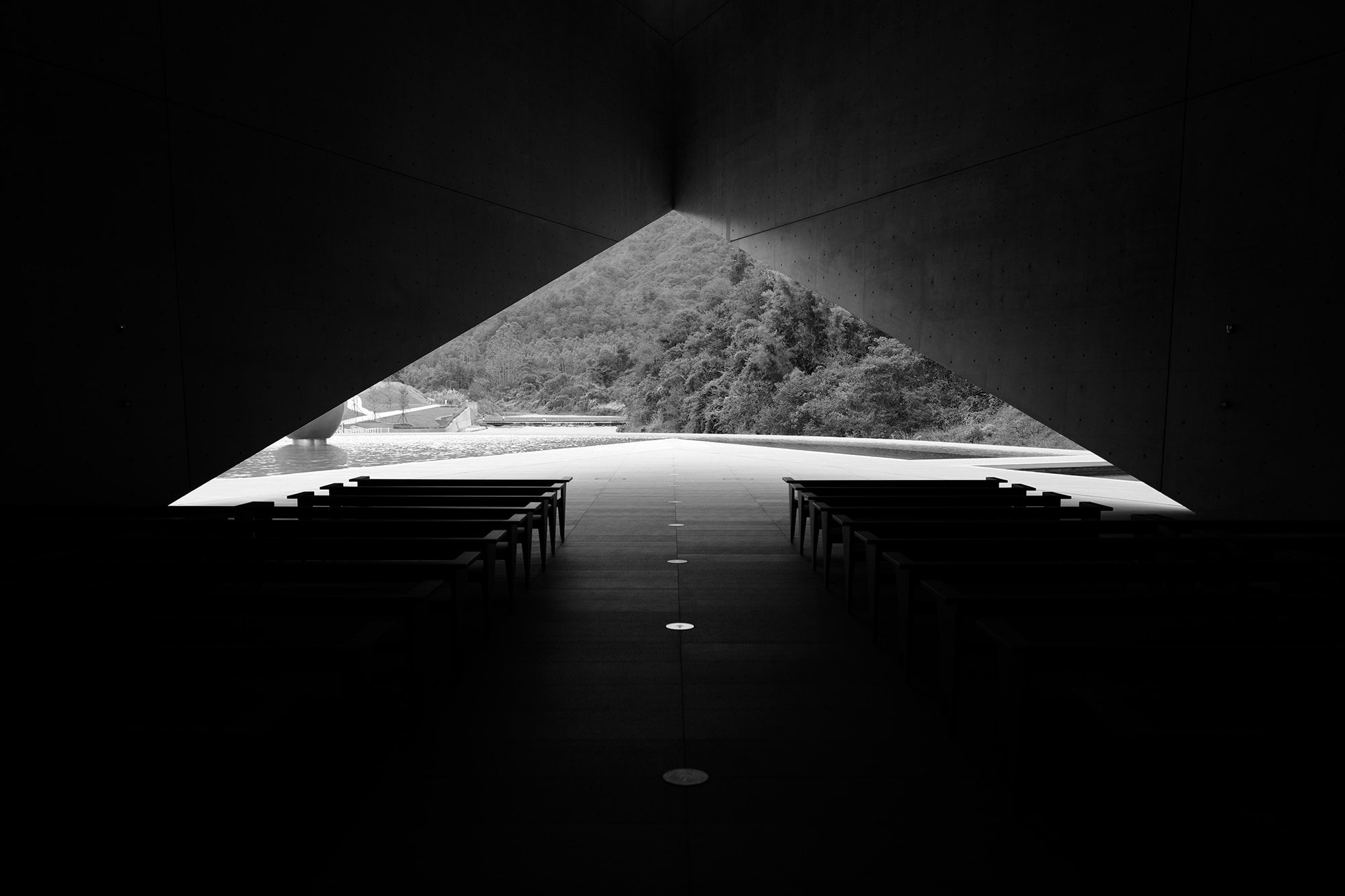
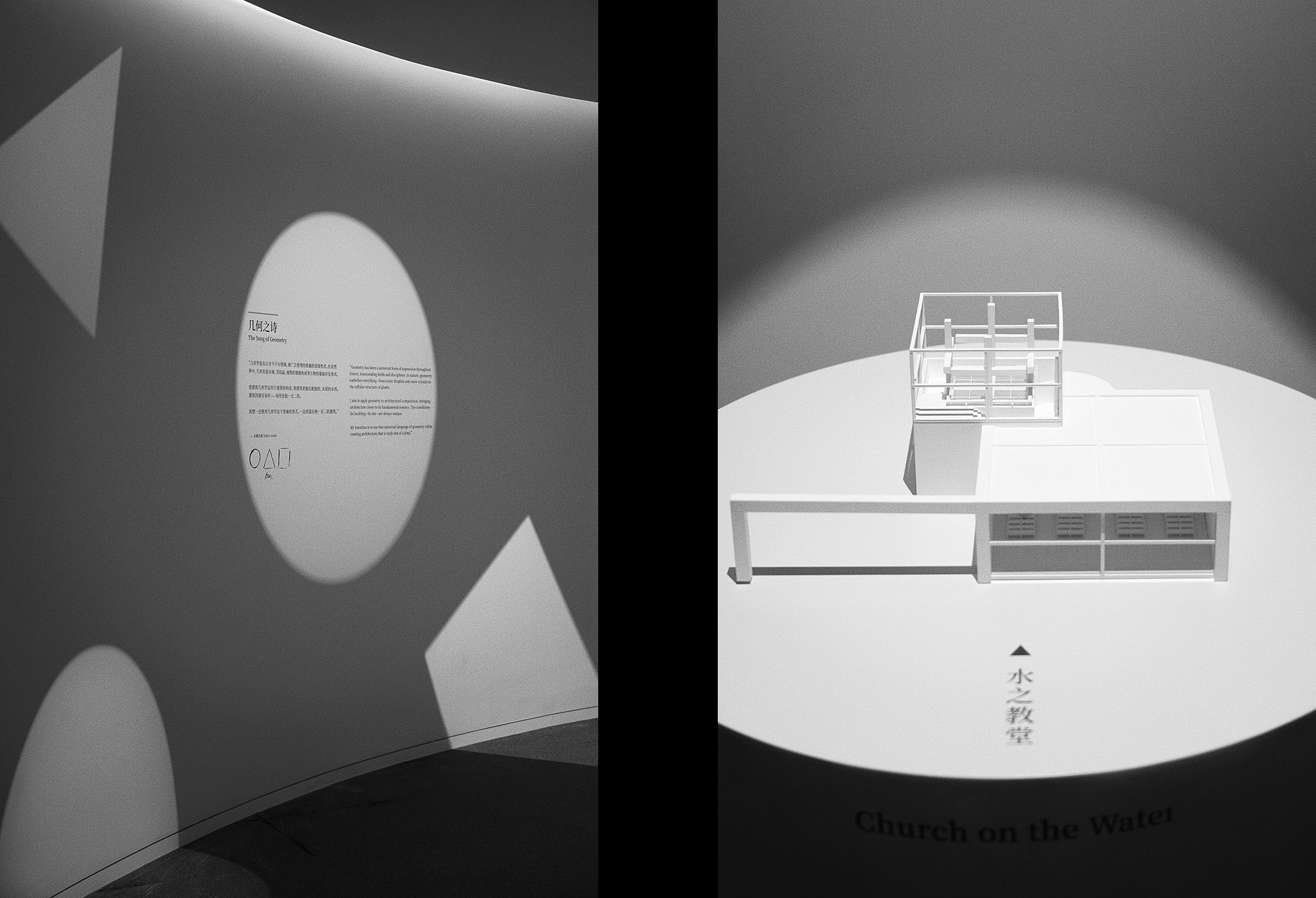
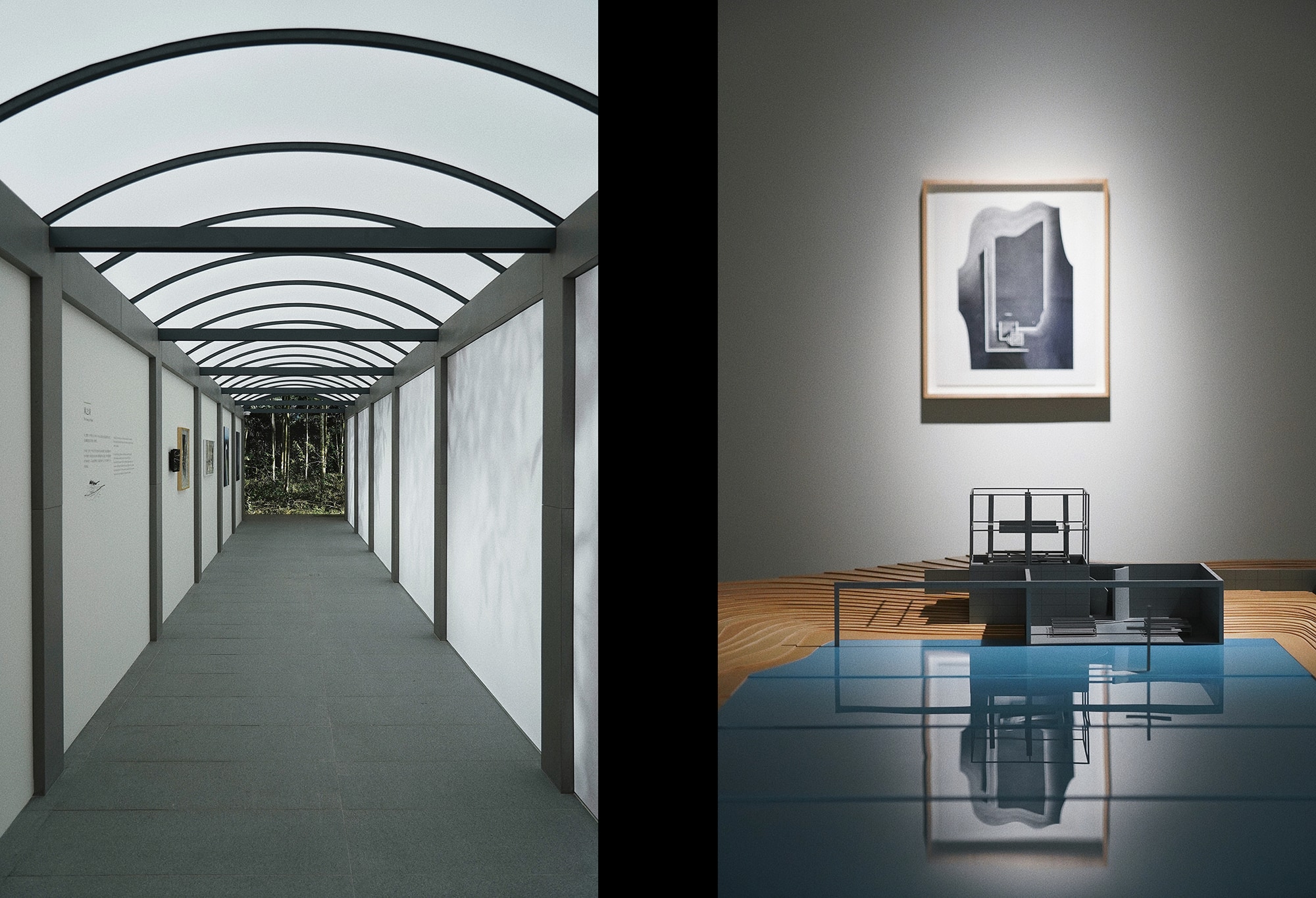
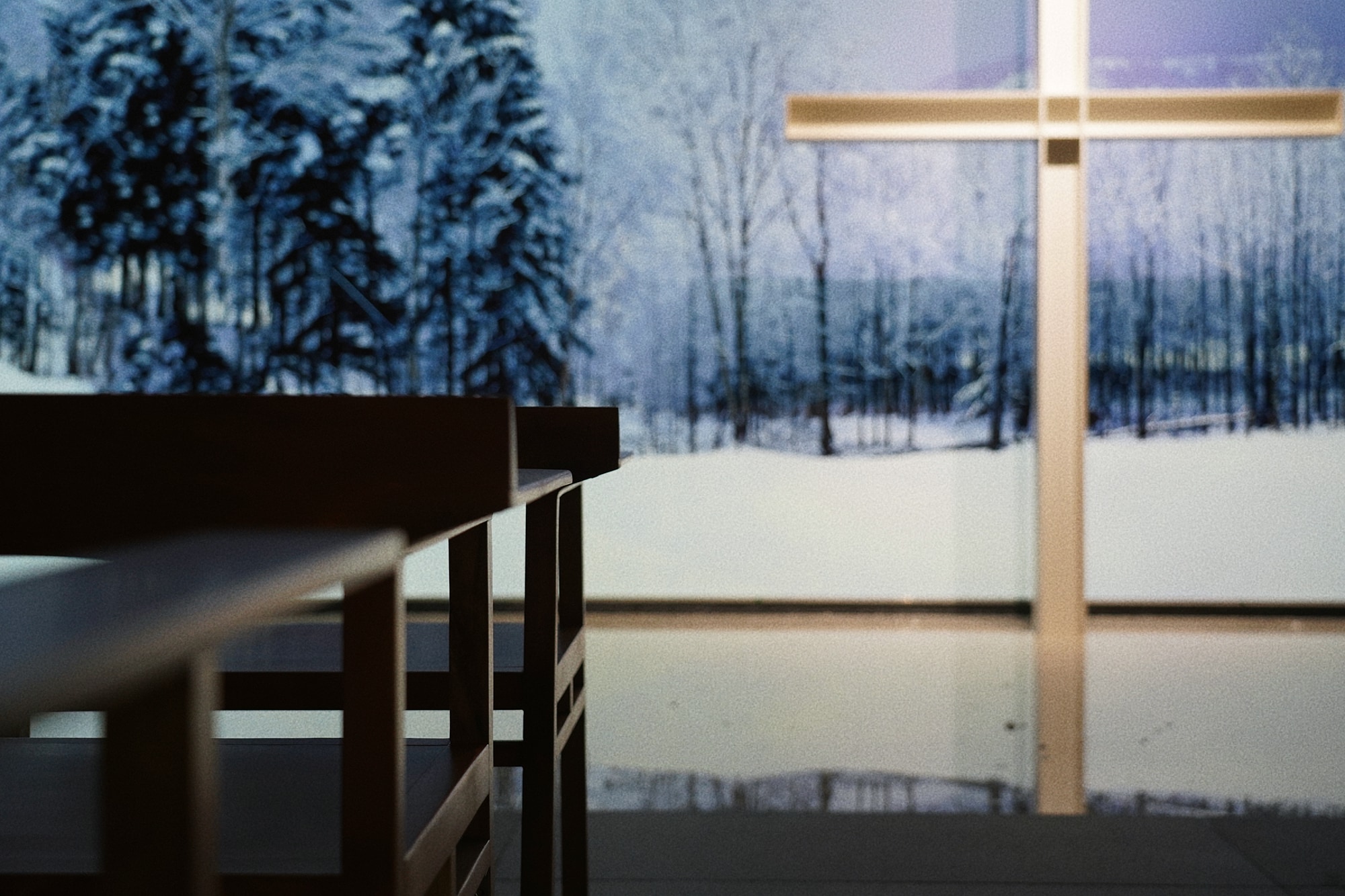
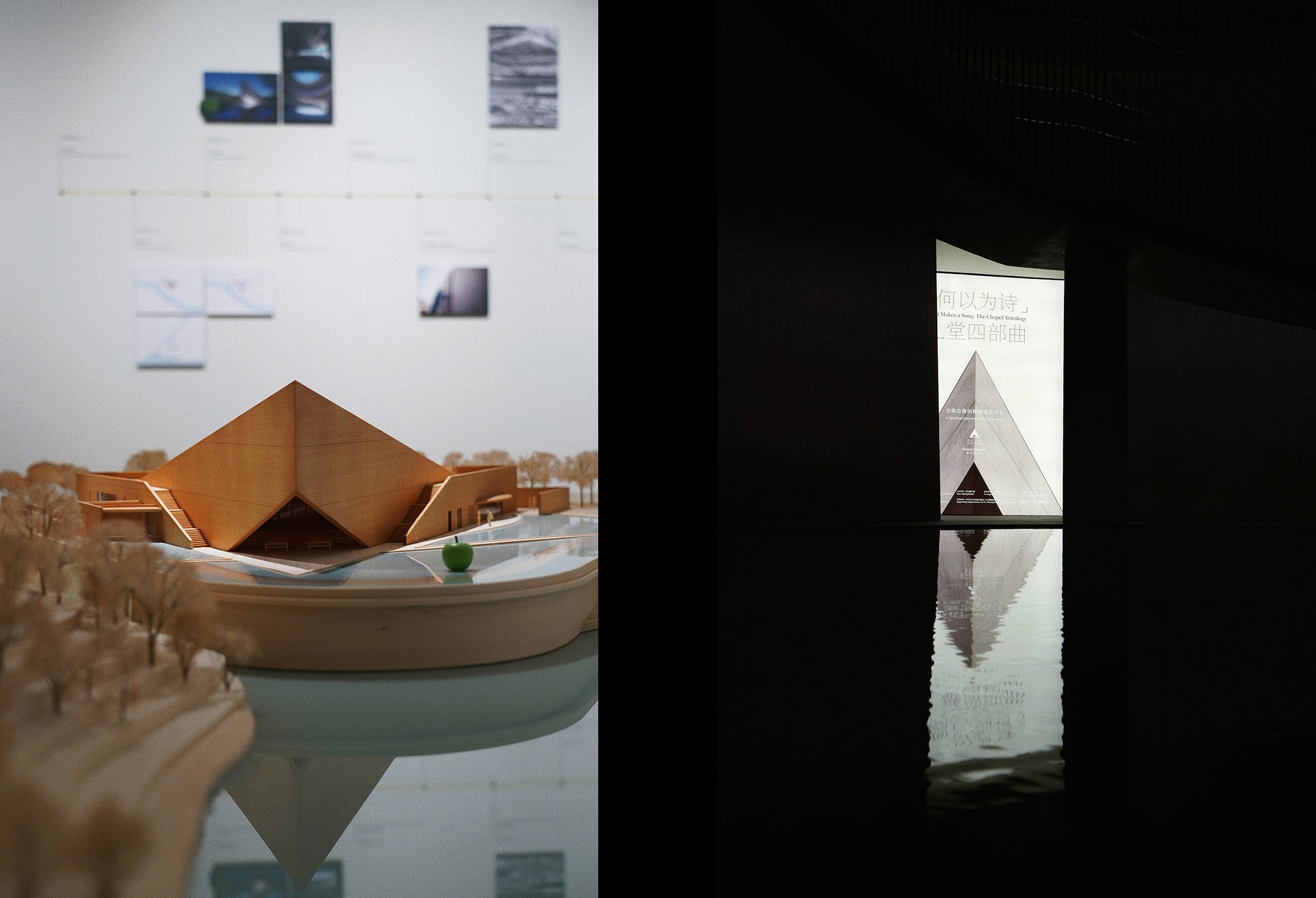
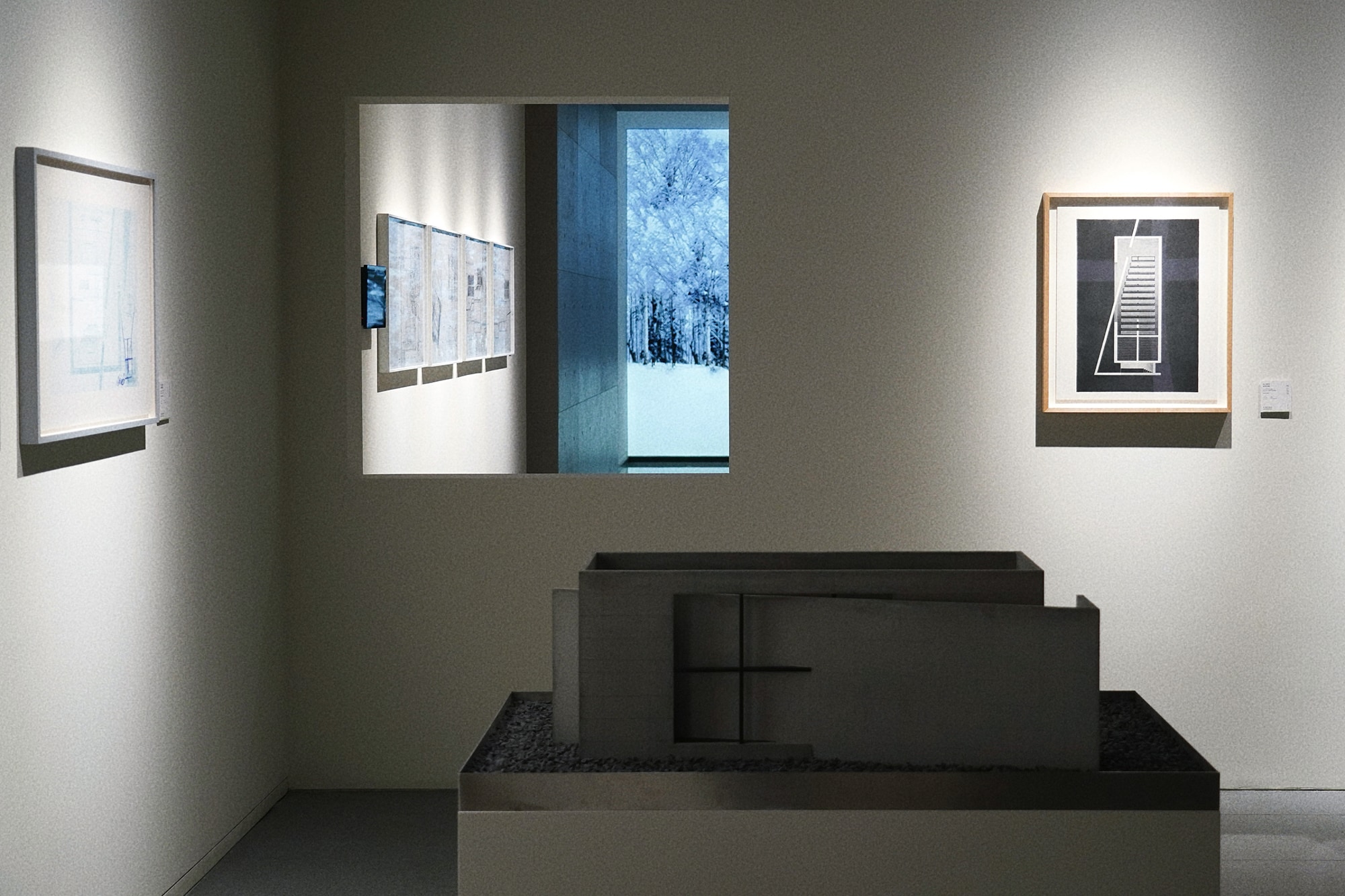
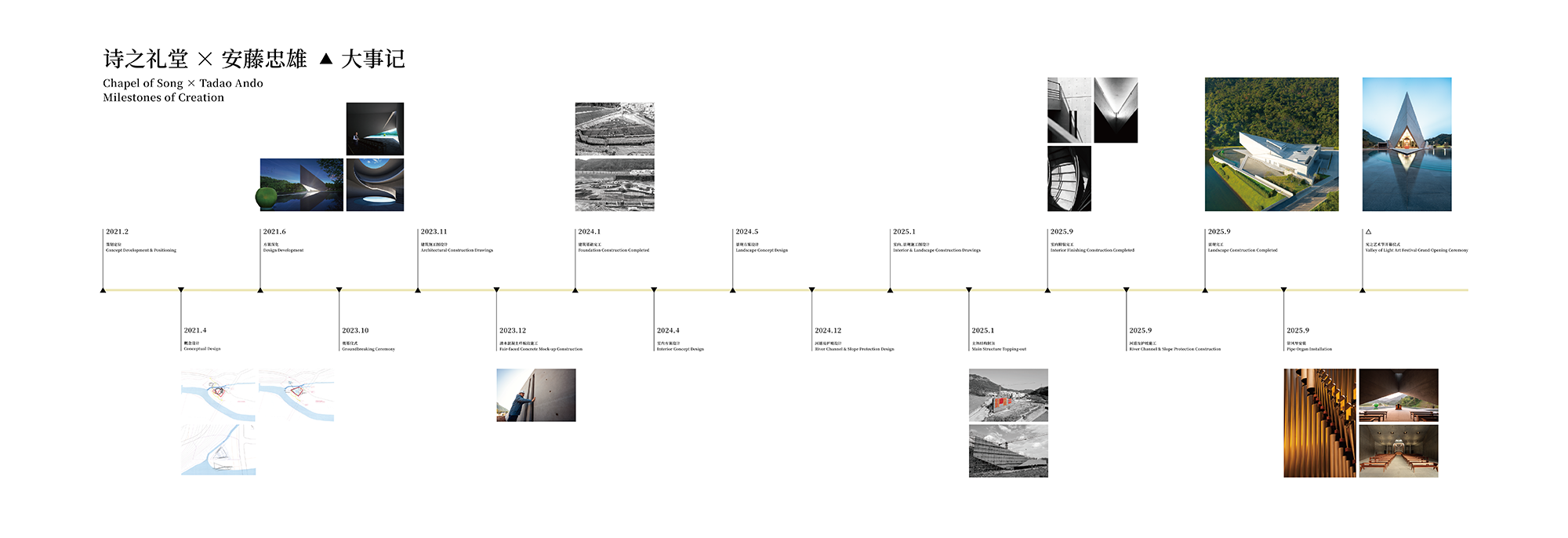
风之教堂、水之教堂与光之教堂三部经典作品,犹如自然的赞颂,亦蕴含信仰与哲思。而今亮相的“诗之礼堂”作为四部曲的终章,将探索推向极致:它延续自然的意象,以几何的纯粹回应精神诉求,凝结理性与感性,使建筑本身化为存在的象征。
在这里,“诗”超越载体,
象征一切在空间中回响的、发自内心的自由表达。
本次展览以“何以为诗”为题,试图追问:
当建筑化作诗,它所承载和传递的究竟是何种精神经验?
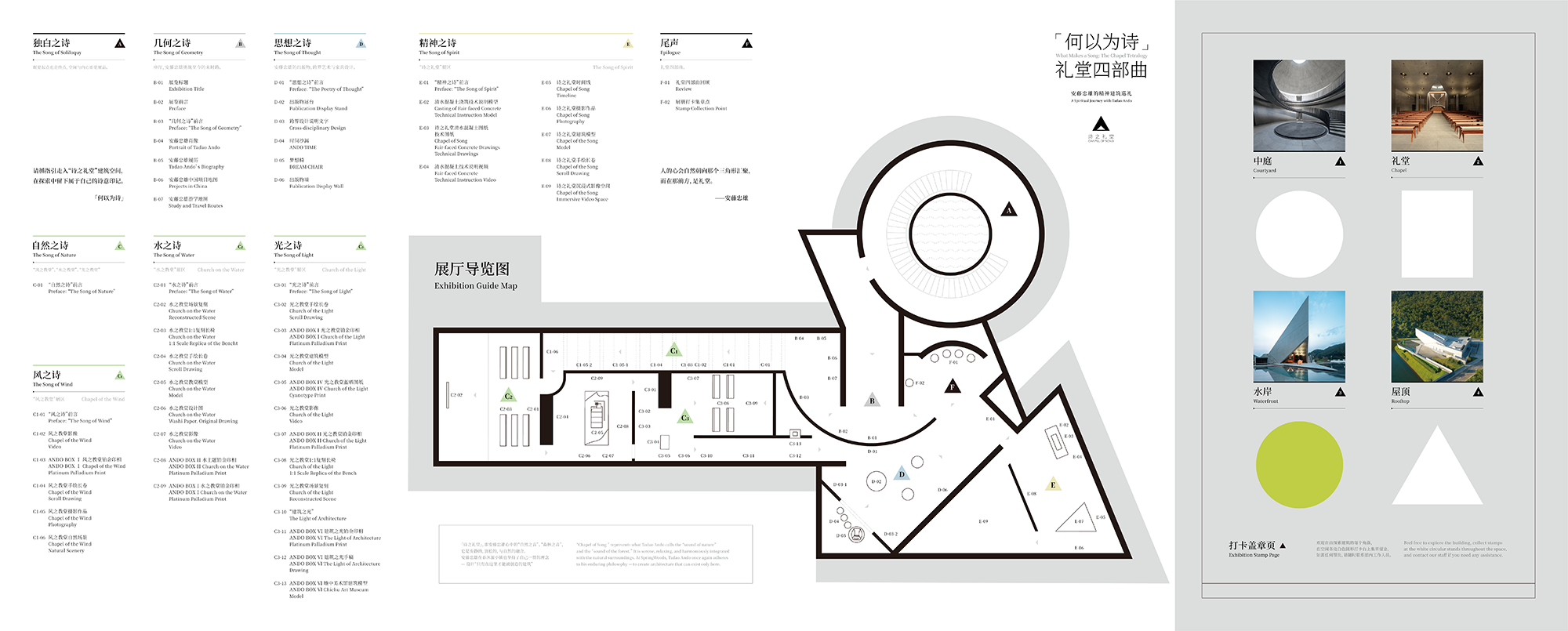
我们邀请观者踏上这段诗性旅程,亲身探索诗之礼堂的各处空间,感受建筑如何从几何与自然出发,最终抵达精神的彼岸。
As time flows, architecture endures like poetry. Beyond function and form, it is a spiritual expression—a language of existence itself. With restraint and clarity, Tadao Ando brings wind, water, and light into his work, awakening our sensitivity to nature and fostering a profound dialogue between the self, the world, and all that surrounds us.
The Chapel of the Wind, the Church on the Water, and the Church of the Light stand as hymns to nature, imbued with faith and philosophy. Now unveiled, the Chapel of Song—the concluding chapter in Ando's series of chapels—brings this exploration to its height: extending the imagery of nature, answering the call of the spirit through geometric purity, and weaving reason with emotion until the architecture itself stands as a symbol of existence. Here, “Song” goes beyond music—it signifies every free and heartfelt expression that rises from within, echoing like poetry in space.
Entitled What Makes a Song, this exhibition asks: when architecture becomes poetry, what spiritual experience does it embody and convey?
Visitors are invited to embark on this poetic journey—to wander through the spaces of the Chapel of Song, and to encounter how architecture, shaped by geometry and nature, leads us toward the far shore of the spirit.
Visual Design