An Animal I Am! 动物如我
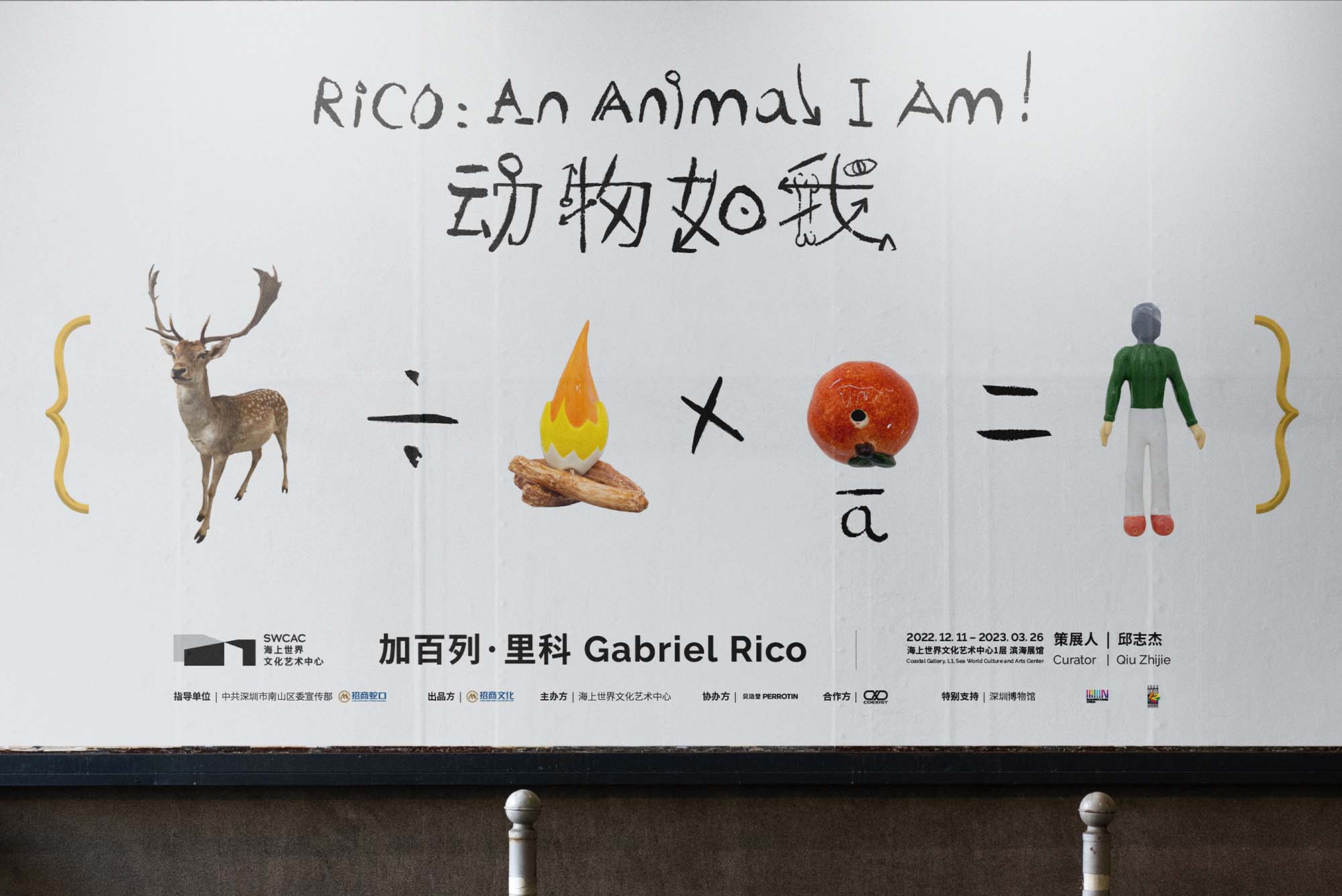
加百列·里科在深圳海上世界文化艺术中心的个展名为《动物如我》。 我如动物,荒野呼唤;动物如我,荒野觉醒。这构成了叙事的循环。
在沙盘游戏疗法中,动物形象是重要的符号。在部落图腾和萨满教传 统中,动物也处于中心地位。荣格心理学侧重唤醒普遍存在于人类集 体无意识深处的原型,动物更是整个大循环中不可或缺的沟通者,是 从神那里偷来火和种籽的文化英雄,是预言家,是秘密的持有者,是 牺牲者和献祭者,是替身,是屏障。
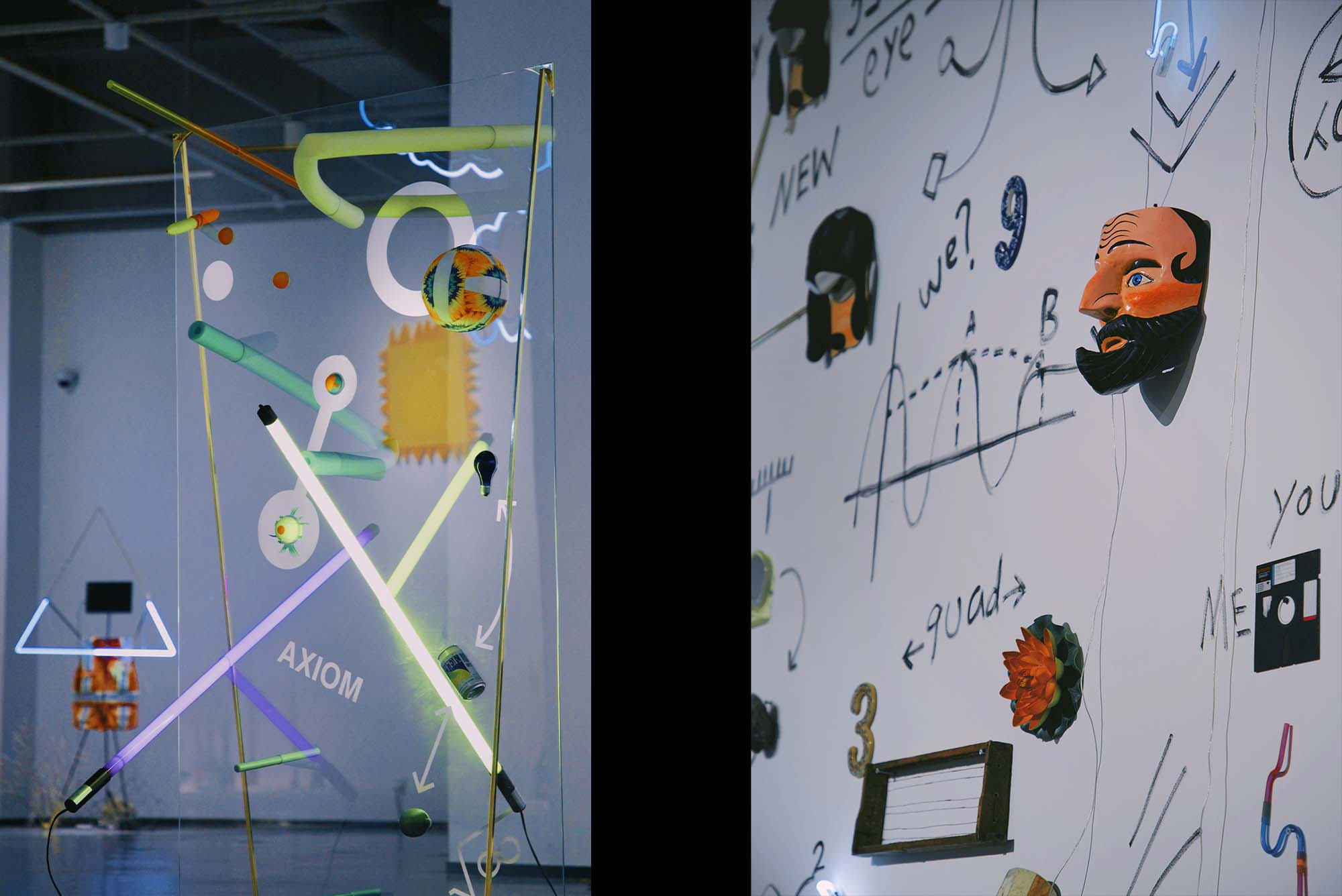
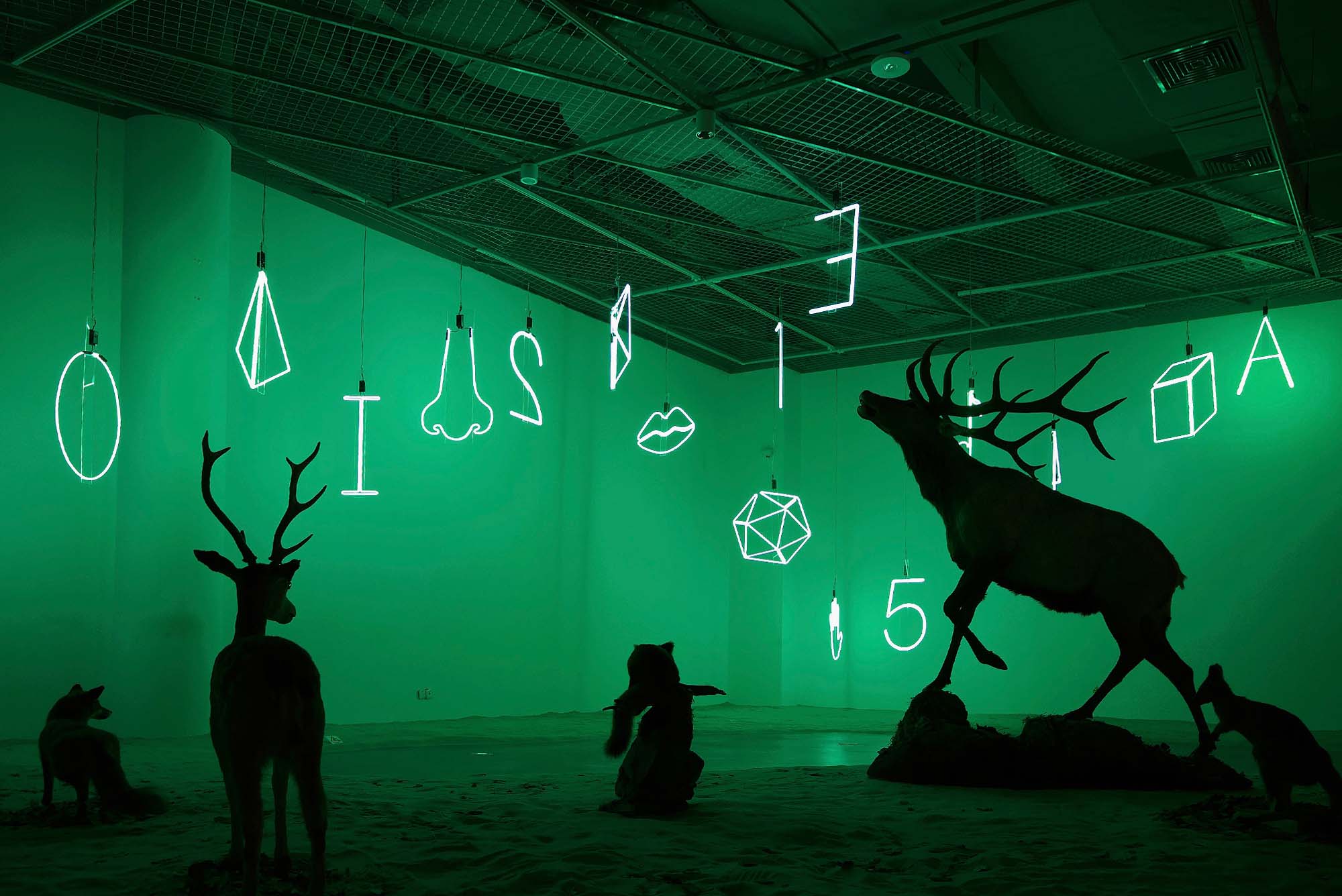
给予我们启示的约瑟夫·博伊斯相信,人要向动物学习,重新开始进化, 野兔、麋鹿一直是他行动中深具沟通能量的灵性动物。在其名作《闪 电打在鹿身上》,满地皆是不肯进化的麻木的现代人,那是尼采笔下 的“最后的人”,而沉甸甸的青铜,是照耀在鹿身上的闪电。在加百列·里 科这,我看到同样的闪电顺着树枝延伸,像是筋脉勾连了树枝和一块 石头。一只猫跃起,跃向三角形的闪电。它从蹄子中冒出,折成一个 矩形。它和树枝一起围成一轮圆月,而黇鹿蹲在下方凝视着。
“重新发现动物”,是艺术家黄永砯后期大量使用剥制动物标本的作 品的概念。其实,动物在艺术史始终占据重要地位。当然,在现代主 义之后谈论“重新发现动物”,是因为现代性的失败,要我们重新出发, 去寻找现代性的另类可能。在这种可能性中,动物是通灵者,是彻底 打碎工业制成品、自然物品、消费物品、玩具和偶像的体系的扰乱者。 动物也是大自然的自足力量、及她的牺牲与修复能力的直接在场。
加百列·里科在讲述深邃的动物寓言,但他热爱来自跳蚤市场的玩具, 并善用鲜艳颜色与形象,所以他的寓言集不像博伊斯那么苍茫晦涩, 也经常被认为是幽默的、适合孩子的。
确实,幽默是不自觉的气质。而在我看来,幽默是一种淡淡的伤感, 是现代性的挽歌和来自生物圈的忧虑,是人类世终将成为考古对象的 一种释怀。
2022 年 11 月
邱志杰
Gabriel Rico's solo exhibition at the Sea World Culture and Arts Center in Shenzhen is titled "Animals as I Am". "I am like an animal, and the wilderness calls; animals are like me, and the wilderness awakens." This forms a narrative cycle.
In sandplay therapy, animal images are important symbols. In tribal totems and Shamanic traditions, animals also hold a central position. Jungian psychology focuses on awakening the archetypes that are universally present in the depths of the collective unconscious of humanity. Animals are indispensable communicators in the entire grand cycle. They are cultural heroes who stole fire and seeds from the gods, prophets, keepers of secrets, sacrificers and those offered as sacrifices, substitutes, and barriers.
Joseph Beuys, who inspired us, believed that humans should learn from animals and start evolving again. Hares and elks have always been the spiritual animals with great communicative energy in his actions. In his famous work "Lightning Strikes the Deer", there are numb modern people who are reluctant to evolve all over the ground. They are the "last men" described by Nietzsche, and the heavy bronze is the lightning shining on the deer. In Gabriel Rico's works, I see the same lightning extending along the branches, as if the veins connect the branches and a stone. A cat leaps up, leaping towards the triangular lightning. It emerges from the hooves and folds into a rectangle. Together with the branches, it forms a full moon, while a fallow deer squats below and stares at it.
"Rediscovering Animals" is the concept of the works in which the artist Huang Yongping used a large number of taxidermy animal specimens in his later period. In fact, animals have always occupied an important position in art history. Of course, talking about "rediscovering animals" after modernism is because of the failure of modernity, which requires us to start anew and look for alternative possibilities of modernity. In this possibility, animals are spiritual mediums and disruptors that completely shatter the systems of industrial products, natural objects, consumer goods, toys, and idols. Animals are also the direct presence of the self-sufficient power of nature, as well as her power of sacrifice and restoration.
Gabriel Rico is telling profound animal fables. However, he loves toys from flea markets and is good at using bright colors and images. Therefore, his collection of fables is not as vast and obscure as Beuys', and it is often considered humorous and suitable for children.
Indeed, humor is an unconscious temperament. In my opinion, humor is a touch of sadness, an elegy for modernity and a concern from the biosphere. It is a kind of relief for the fact that the Anthropocene will eventually become an archaeological object.
November 2022
Qiu Zhijie
1980 年生于墨西哥拉戈斯德莫雷诺,目前生活工作于墨西哥瓜达拉 哈拉。加百列·里科自称“启发式方法论存在论者”,他的创作结合 了自然和非自然物,邀请观众诗意、幽默地反思这些人类文明元素的 并置。
他的作品同时建构并解构了艺术对象的构成:形成一种文化和政治意 识形态的非数学方程式,暗示了对他们的不对称性、缺陷以及我们自 身缺陷的必要思考。
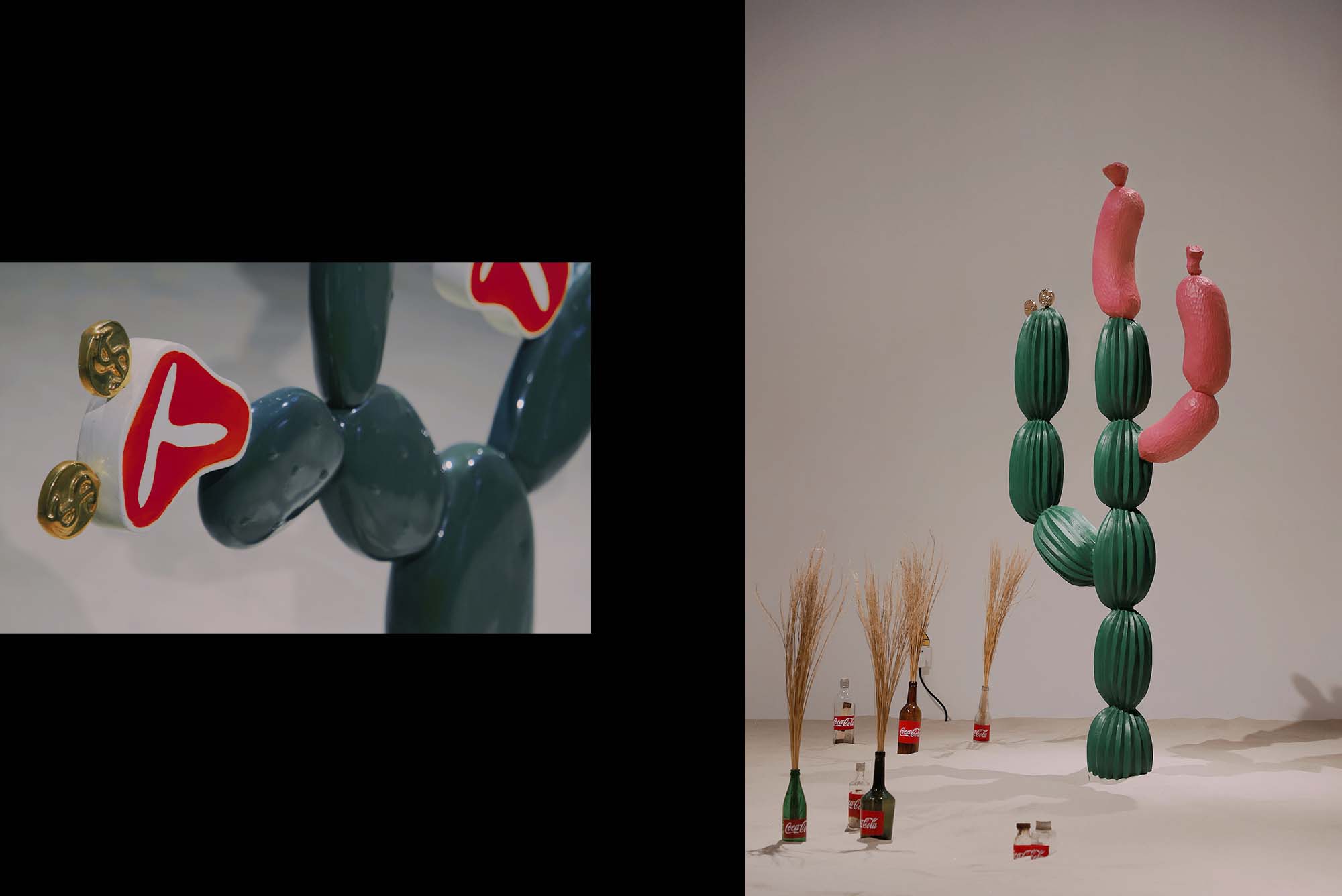
加百列·里科被誉为当代拉丁美洲最有才华的艺术家之一,他对霓虹灯、 标本、网球、陶瓷、石块、树枝及私人物件的利用,都是对后超现实 主义和贫穷艺术运动的致敬。通过对现成物与人工制造的组合,里科 探索的主题从无形的声谱形式,到日常对食物的生产与消费。
里科参与了由 Ralph Rugoff 策划的 2019 年威尼斯双年展主题展“愿 你生活在有趣的时代”,并在美国圣迭戈当代艺术中心、阿斯彭艺术 博物馆等大型机构举办个展。 里科的作品被国际多个艺术机构收藏, 包括荷兰瓦瑟纳尔福尔林登博物馆、美国凤凰城亚利桑那州立大学美 术馆、美国达拉斯城纳什尔基金会雕塑中心、美国迈阿密佩雷斯艺术 博物馆、韩国陶瓷基金会、墨西哥锡那罗亚艺术博物馆等。
Born in 1980 in Lagos de Moreno, Mexico, Gabriel Rico currently lives and works in Guadalajara, Mexico. Gabriel Rico calls himself a "heuristic methodological ontologist". His creations combine natural and non-natural objects, inviting the audience to poetically and humorously reflect on the juxtaposition of these elements of human civilization.
His works simultaneously construct and deconstruct the composition of artistic objects: forming a non-mathematical equation of cultural and political ideology, implying the necessary reflection on their asymmetry, flaws, and our own flaws.
Gabriel Rico is regarded as one of the most talented contemporary Latin American artists. His use of neon lights, specimens, tennis balls, ceramics, stones, branches, and private objects is a tribute to the post-surrealist and Arte Povera movements. Through the combination of readymades and artificially made objects, Rico explores themes ranging from intangible acoustic spectrum forms to the daily production and consumption of food.
Rico participated in the themed exhibition "May You Live in Interesting Times" of the 2019 Venice Biennale curated by Ralph Rugoff, and held solo exhibitions in large institutions such as the Museum of Contemporary Art San Diego in the United States and the Aspen Art Museum. Rico's works are collected by many international art institutions, including the Voorlinden Museum in Wassenaar, the Netherlands, the Arizona State University Art Museum in Phoenix, the United States, the Nasher Sculpture Center in Dallas, the United States, the Pérez Art Museum Miami in the United States, the Korea Ceramics Foundation, and the Museo de Arte de Sinaloa in Mexico.
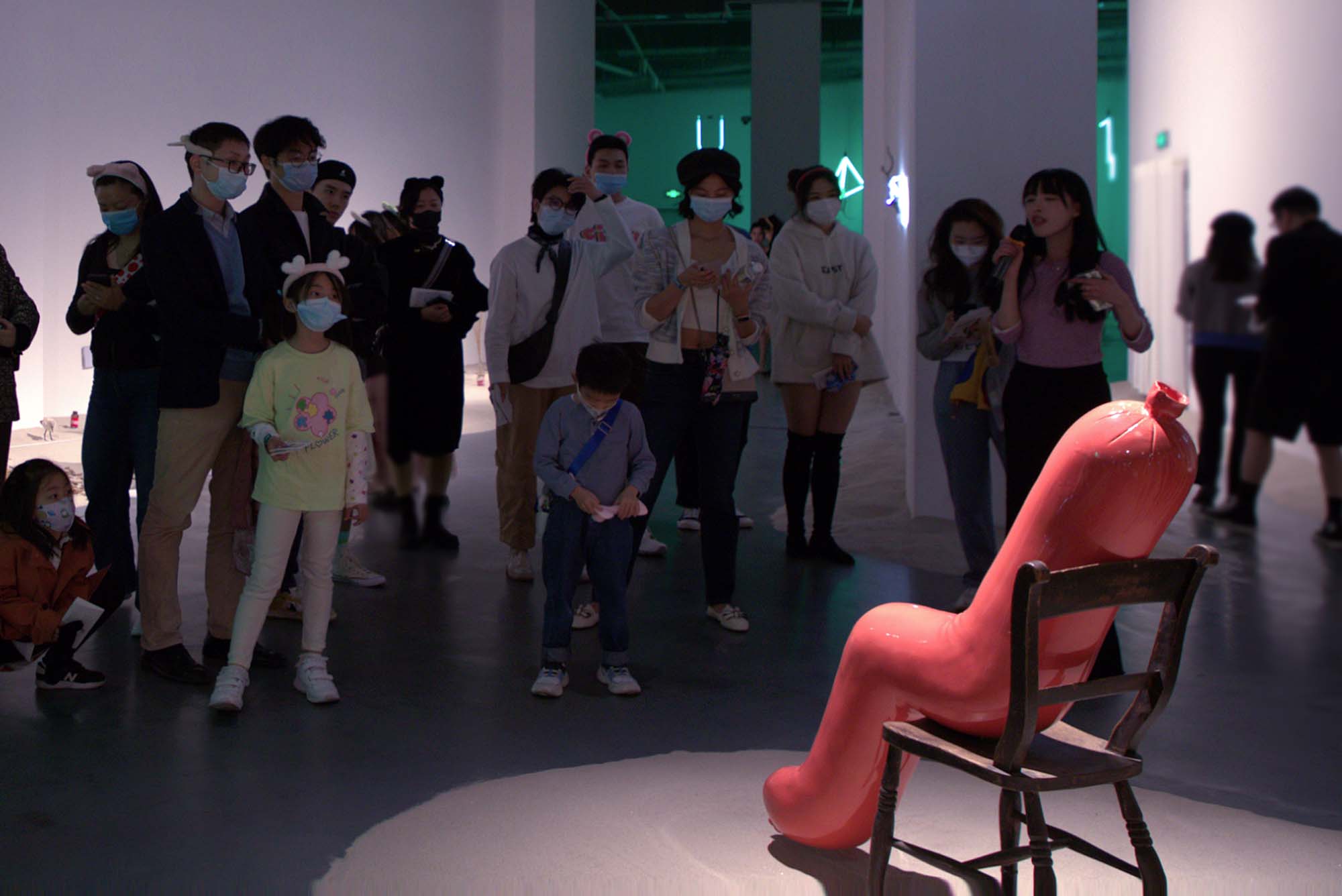
本次展览的系列公共活动延展了艺术家加百列·里科从事物本体、自 然规律获得灵感与启发的方式,分别从公益 & 疗愈、共生 & 共融、 环保 & 分享、快乐 & 社交四个角度,通过公益观展、艺术疗愈、艺 术交流、社区实践、工作坊等内容,带领观众共同探讨,在“人类世” 中,人类和自然万物的相处之道。
The series of public activities of this exhibition extend the way in which the artist Gabriel Rico obtains inspiration and enlightenment from the essence of things and natural laws. From the four aspects of public welfare & healing, symbiosis & integration, environmental protection & sharing, and happiness & social interaction, through activities such as public welfare visits to the exhibition, art therapy, art exchanges, community practices, and workshops, the audience is led to jointly explore the way humans get along with all things in nature in the "Anthropocene".
KV Design
Brochure Design