ŌRTENSIA Shanghai
花漂海上,
落地生根。
Flowers drift on the sea,
taking root upon arrival.
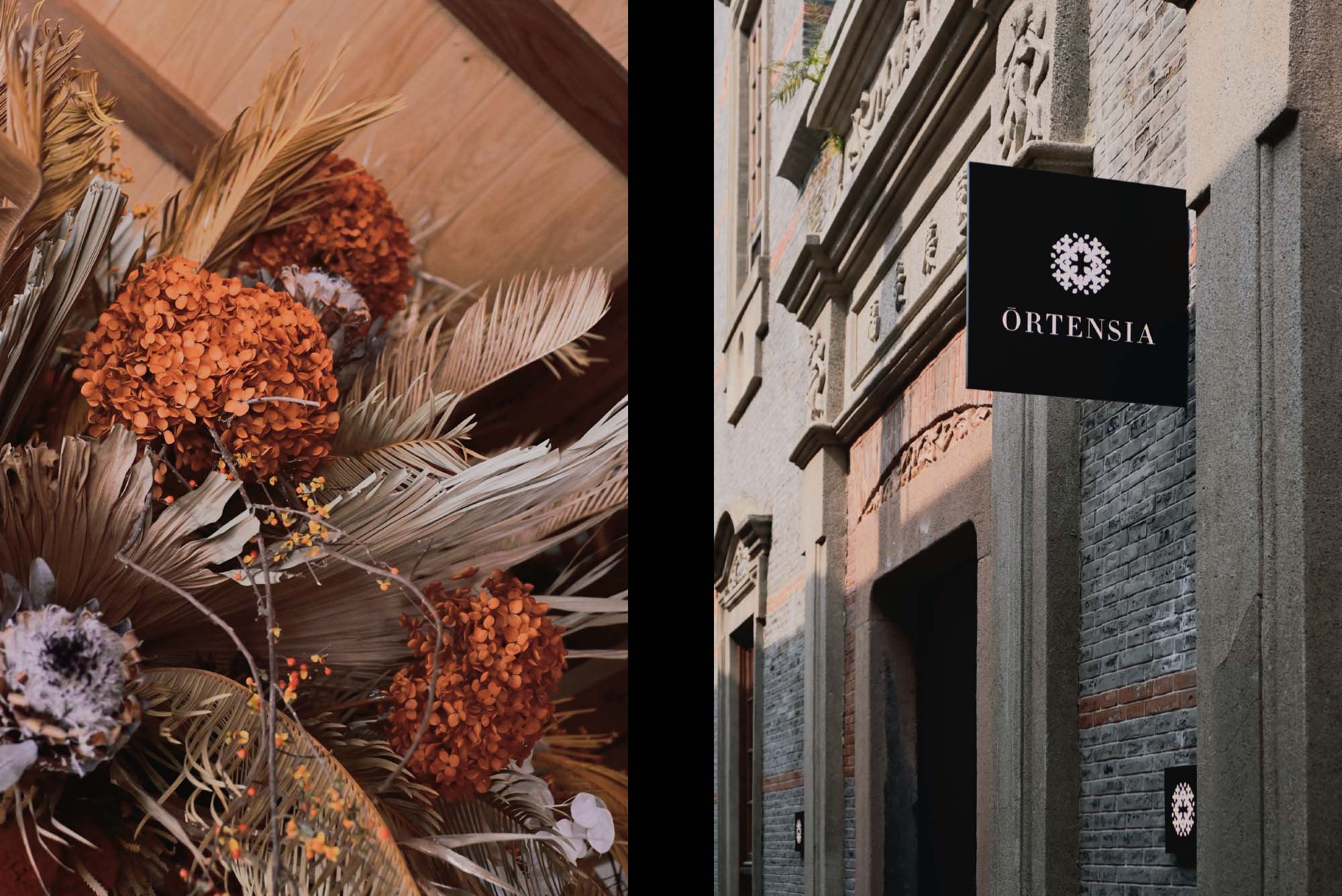
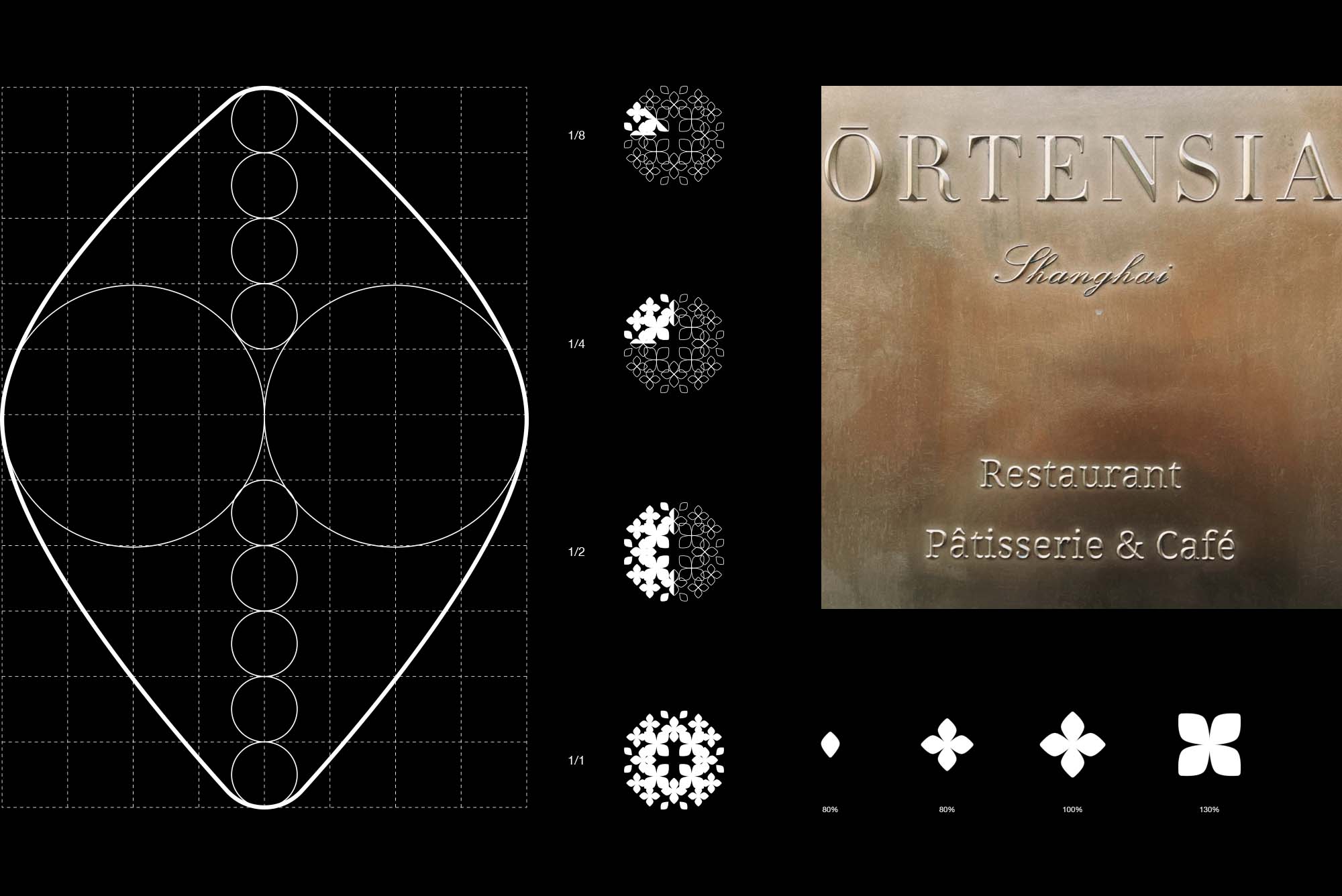
绣球由无数个小花朵聚集在一起,凝成团团锦簇的花球,优雅而浪漫。不同的土壤赋予她不同的色彩,源于亚洲,盛放全球。
巴黎塞纳河岸边的16区,贝多芬大街4号,是一个对于法国美食界具有特殊意义的地址,这里曾孕育了传奇米其林三星餐厅Astrance,见证了它几十年长盛不衰的辉煌。
2020年,这块风水宝地易主,一个拥有亚洲血统的团队接手。取名Ōrtensia Paris(绣球·巴黎)在主厨斋藤照光与主理人许正源的带领下,亚洲绣球在巴黎盛放,开业仅一年就摘取巴黎米其林一星,保持至今。
ŌRTENSIAComposed of countless small blossoms gathered together, forming a compact, exquisite ball of flowers, hydrangeas are both elegant and romantic. The colour of the blooms is influenced by the type of soil, with the flower originating in Asia and now flourishing around the world. Located in the 16th arrondissement of Paris, at 4 Beethoven Street along the banks of the Seine, this address holds a special place in the history of French cuisine. It was once the birthplace of the renowned Michelin three-star restaurant Astrance, which stood as a beacon of culinary brilliance for decades.
In 2020, this coveted location changed ownership and was taken over by a team with Asian heritage. The restaurant was renamed Ōrtensia Paris (Hydrangea Paris). Under the leadership of Chef Terumitsu Saito and restaurateur Zhengyuan Xu, the Asian-inspired hydrangea flourished in the heart of Paris. Within just one year of opening, Ōrtensia Paris was awarded a Michelin star, a distinction it has maintained ever since.
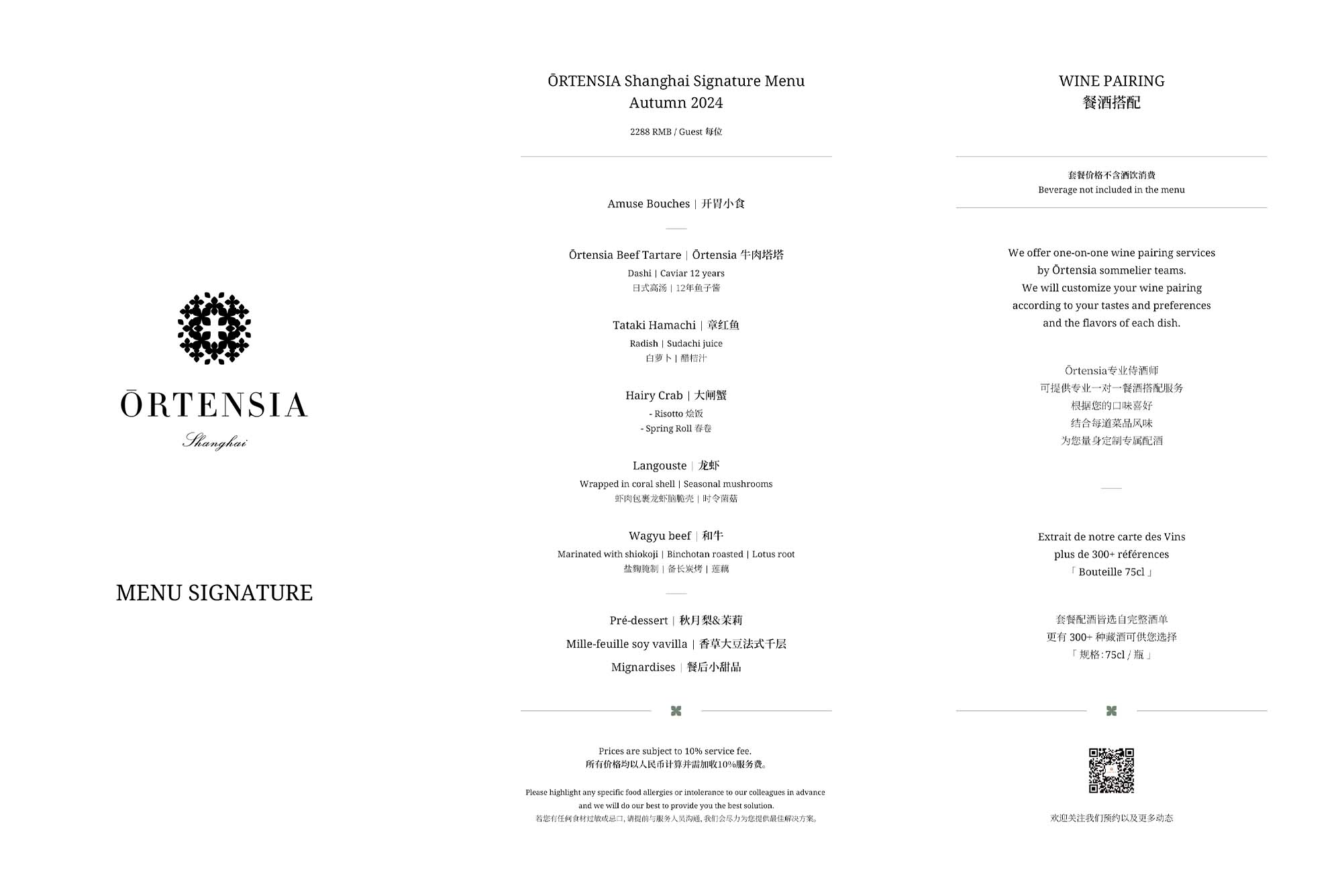
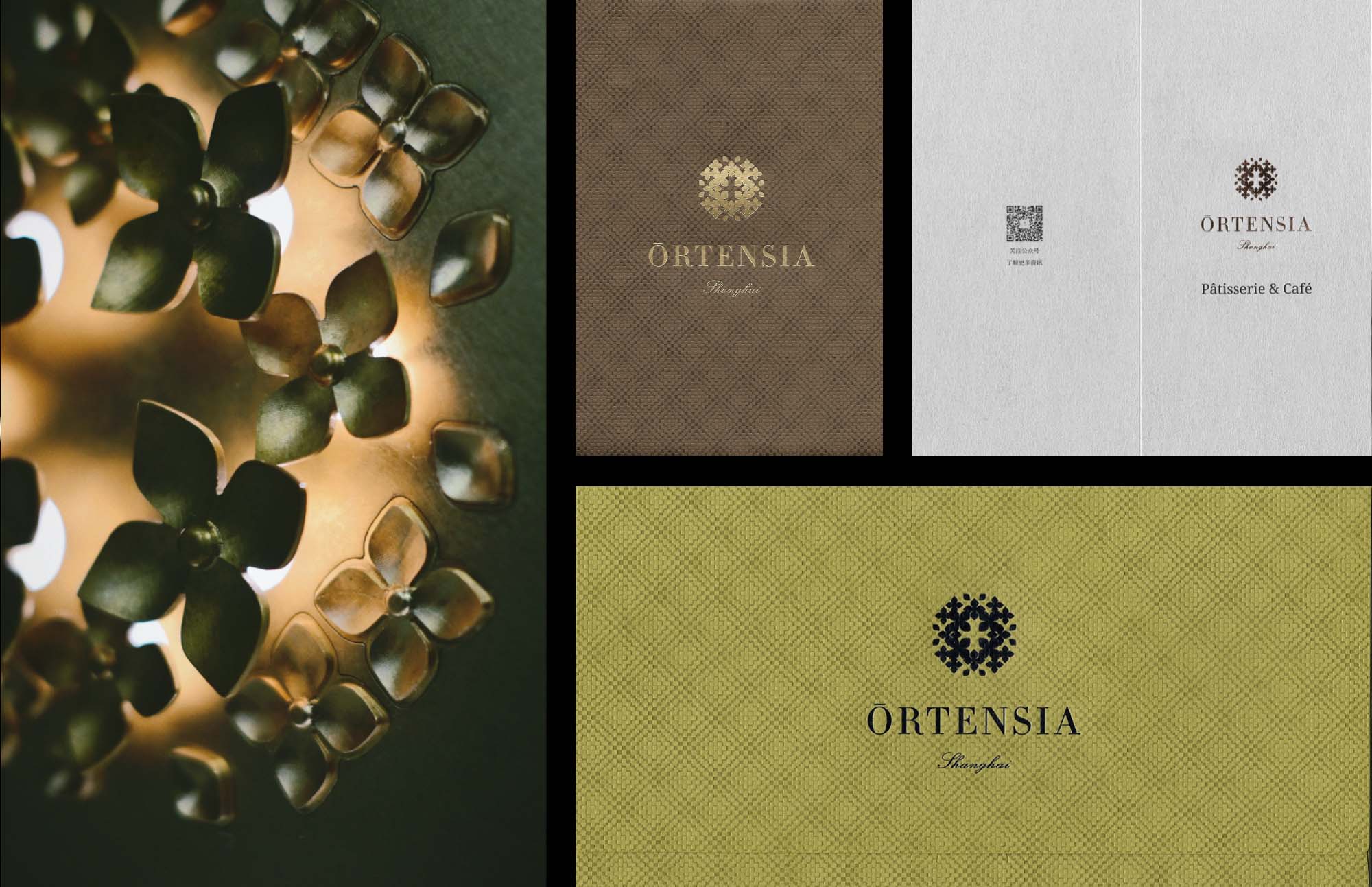
基于餐厅的绣球花自然植物特性以及从巴黎到上海的海派文化背景,本设计围绕“环保、可回收、食材溯源”的核心理念,进行了深入的纸张调研,分析了纸张的物理特性与印刷适应性。在实际制作过程中,广泛应用了由“葡萄、柑橘、玉米”等天然食材制成的环保可循环纸张材料,这些材料不仅与餐厅的产品理念深度契合,还在视觉与触觉上提供了独特的感官体验。通过精心选材和工艺流程的精细化操作,实现了物料设计的高度定制化,确保其在功能性与美学上的完美结合。
此外,香草纸与玄宙纸分别呼应了下午茶的甜美氛围与石库门的历史深度与包容性。同时为两种纸张设定了不同的色系,以强化设计的视觉层次感,精细化设计的延伸逻辑,使整体视觉效果更具层次感和情感共鸣。
Based on the natural botanical characteristics of the restaurant's hydrangea flowers, as well as the cultural context spanning from Paris to the Shanghai-style heritage, this design centres around the key concepts of "sustainability, recyclability, and traceability of ingredients." Extensive research was conducted on various paper types, analysing both their physical properties and print compatibility.
In the production process, eco-friendly, recyclable paper materials made from natural food ingredients such as "grapes, citrus, and corn" were extensively used. These materials not only align deeply with the restaurant's product philosophy but also provide a unique sensory experience, both visually and tactilely. Through careful material selection and a refined production process, a highly customised material design was achieved, ensuring a perfect balance between functionality and aesthetics.
Additionally, Vanilla Paper and Xuan Zhou Paper correspond to the sweet atmosphere of afternoon tea and the profound, inclusive nature of the Shikumen architecture.
Different colour schemes were assigned to these papers, enhancing the design's visual hierarchy and refining its underlying logic, resulting in a more nuanced and emotionally engaging overall visual experience.
Brand Identity Design, Visual Guidelines,
Restaurant Material Design,
WeChat Official Account Visual Templates,
Booking System (Mini Program) Visual Templates